Hotel Inhumans Anime Review
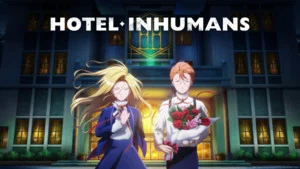
Hotel Inhumans takes a grim, stylish premise — a resort that caters exclusively to killers, hitmen, and the morally compromised — and turns it into an episodic crime anthology that alternately thrills, saddens, and frustrates. Anchored by a small but steady cast of hotel staff and a revolving door of unforgettable guests, the series mines human tragedy and dark humor from its premise. Below we unpack what makes the show worth visiting, where it stumbles, and why the soundtrack might be the series’ secret weapon.
What is Hotel Inhumans?
At its core, Hotel Inhumans is an anthology series that centers on the staff of a morally ambiguous resort whose clientele are professional killers. Each episode (or arc) follows different guests — from dying gangsters and aging hitmen to conflicted young trainees and star-struck foreign assassins — whose lives intersect beneath the hotel’s roof. The hotel concierge team, led by the steady Ikuro and Sara, serves as the story’s emotional anchor, providing perspective on each transient tragedy and crime.
Anthology Format: Strengths and Weaknesses
The anthology structure is the show’s biggest strength because it allows diverse tones, genres, and emotional beats across the season. Some installments are moody, elegiac character studies that explore regret and memory, while others lean into dark comedy, action, or slow-burn noir. That variety means the series rarely feels repetitive and can surprise viewers episode to episode.
Why the anthology sometimes misses the mark
By design, anthology episodes must tell a full story in limited time, and that leads to inevitable inconsistency. Several episodes land with strong emotional resonance and memorable characters; others feel terse and undercooked. Pacing is another frequent issue — arcs that deserve compact intensity occasionally get stretched across multiple episodes, which can blunt their emotional punch instead of enhancing it.
Character Focus: Hotel Staff vs. Guests
Most of the most affecting moments come from interactions between the hotel staff and their guests. Ikuro and Sara are likable anchors whose small acts of care and moral curiosity invite empathy in a violent world. However, the series leaves many opportunities on the table by not giving the permanent cast enough time to deepen beyond their roles as hosts. Expanding the staff’s personal lives and motivations would add stakes and give recurring relationships more weight.
Standout guest stories
Highlights include melancholic tales of aging killers grappling with memory and regret and multi-episode arcs that explore forbidden love among assassins. These stories underline the show’s empathy for characters who are, by trade, killers — framing them as damaged people whose profession masks complex inner lives.
Visuals, Direction, and Soundtrack
Visually, Hotel Inhumans is functional but uneven. The animation and character designs are competent, yet a flatter lighting palette and generic storyboarding sometimes undermine the show’s attempt at a noir aesthetic. When the series goes for cinematic moments, the impact is noticeable, but those shots are not frequent enough to define the show’s overall look.
Where the series truly shines is its soundtrack. The accordion-driven, eclectic score by Koharu of Charan Po Rantan injects mischievous charm and unexpected warmth into the proceedings. The music gives scenes texture and personality that the visuals occasionally lack, and it helps shape the series’ tonal identity in a meaningful way.
Comparisons and Influences
The hotel-as-haven-for-assassins conceit will feel familiar to fans of modern assassin-focused properties and noir-capers — the worldbuilding invites comparisons to popular gangster and assassin films that create rules and etiquette around the underworld. For readers interested in thematic cousins of this concept, works like John Wick explored how a structured underworld can produce both ritual and tragedy. John Wick (franchise) offers a helpful point of comparison for tone and worldbuilding without being a direct template.
Who should watch Hotel Inhumans?
If you enjoy character-driven crime anthologies that mix melancholy, dark humor, and bursts of violence, this series is a solid recommendation. It’s particularly rewarding for viewers who appreciate morally gray antiheroes and short-form storytelling that lets new characters shine each episode. However, viewers seeking tightly plotted arcs focused on the development of a single protagonist may find the format less satisfying.
Suggestions for Future Seasons
To realize its full potential, future seasons should prioritize two things: deeper development for the permanent hotel staff (especially Ikuro and Sara) and a bolder visual identity that complements the excellent soundtrack. Tightening episodic pacing and resisting unnecessary padding would also preserve emotional momentum when the series tackles its strongest material.
Final thoughts
Hotel Inhumans is an intriguing, imperfect anthology that excels when it embraces intimate, human moments in a violent world. The premise is clever, the episodic variety keeps the season fresh, and the soundtrack elevates otherwise flat visuals. While inconsistency and underdeveloped recurring characters hold it back from greatness, the show remains a worthwhile stop for fans of noir-tinged anime and anthology storytelling. With a sharper visual direction and deeper character work for its hotel staff, Hotel Inhumans could become a must-visit destination for discerning viewers who don’t mind a little blood with their bittersweet drama.


Comments
Post a Comment