Dorohedoro S2E7 Review
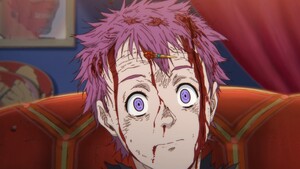
Dorohedoro’s season 2, episode 7 delivers a heady mix of grotesque comedy, melancholy, and a dense thematic core about identity and belonging. This installment leans into the franchise’s signature tonal whiplash—one moment a farce involving exposed brains and buzzing flies, the next a gut-punching scene that reframes a character’s entire arc. Below I break down the episode’s highlights, its enduring themes, and some technical hiccups that undercut the viewing experience on streaming platforms.
Episode 7 Recap: Shock, Slapstick, and Sudden Loss
Episode 7 opens with the kind of mundane cruelty that makes this world so compelling: powerful figures moving through everyday routines while the people around them scramble to survive. The episode pivots between two tones—absurd corpse-comedy centered on Ebisu’s revival, and a quieter, more devastating sequence that culminates with En’s fall. That tonal balance is what keeps Dorohedoro feeling unpredictable and emotionally resonant.
Key Plot Beats
- Ebisu’s “revival” is handled as a grotesque farce, with the show mining humor from absurd bodily details and the frustrations of working with a pseudo-animal companion.
- En’s storyline reveals his insecurity and paranoia. His fear of a past defeat informs decisions that isolate him from others and ultimately contribute to his downfall.
- Glimmers of the series’ core mystery persist: the tangled similarities between Caiman, Aikawa, and the Cross-Eyes’ boss continue to raise questions about identity and memory.
Character Focus: En’s Lonely Throne
En is the archetypal tragic loner here: outwardly composed, inwardly fractured. The episode foregrounds how his power has created distance—his mafia-style “family” operates like a workplace more than a support network, and the people closest to him often occupy unbalanced relational roles. This isolation is both a psychological wound and a structural product of the sorcerer world.
Why En’s Fall Lands
We sympathize with En despite his flaws because the narrative refuses to villainize him entirely. The world he inhabits is rigged—monopolies on specialized magic and systemic amoralities make cruel outcomes feel inevitable. En’s fear keeps his old enemy alive in his head, and that obsession colors every choice he makes. By the episode’s end, that fear turns inward and shatters him in a way that feels earned and tragic.
Thematic Core: Masks, Faces, and Fragmented Identity
Identity is the episode’s heartbeat. Sorcerers don literal and figurative masks; the story constantly interrogates how external appearances shape perception. Ebisu’s condition raises unsettling questions: which version of a person is the “real” one when memory, brain damage, and supernatural interference scramble continuity? The show uses repeating faces—similar physiognomies among several characters—to explore whether identity is a stable essence or a bundle of behaviors and memories that can be rearranged.
Caiman’s Ongoing Search
Caiman’s arc remains one of the most compelling puzzles. The interplay between tenderness (his moments with Nikaido) and horror (his violent confrontations) showcases identity as multiplicity. The series asks us to accept both compassion and brutality as coexisting layers of a single being—or perhaps different beings wearing the same face.
Comedy and Gore: Why the Farce Works
Dorohedoro manages a unique brand of humor that trades on bodily absurdity and banality. The scene where Kikurage tries to revive Ebisu is prime example: the grotesque details (wrinkled exposed brain, swarms of flies) are played for belly laughs because the show commits to the gag without flinching. That unwavering commitment to dark physical comedy gives the series emotional range—when the show pivots to genuine tragedy, the impact is amplified by contrast.
Adaptation & Visuals: A Faithful, Vivid Translation
The episode excels at transforming Q Hayashida’s intricate art into kinetic animation. Background details—the ornate hallways of En’s mansion, the texture of exposed flesh, the tiny visual flourishes of the sorcerer world—add richness to the comedy and the dread alike. This chapter feels like a standout adaptation of a standout sequence in the source material.
Localization Problems: Subtitles That Fail the Moment
One major blot on an otherwise stellar episode is the subtitle implementation on some streaming platforms. Key lines—particularly Kikurage’s internal commentary—appear only in Japanese on-screen text during scenes where multiple characters are speaking. When platforms deliver a single, simplified subtitle track tailored for basic video players, viewers miss integral dialogue. That omission is especially damaging to hearing-impaired audiences and anyone who relies on subs for nuance.
If you want to watch Dorohedoro through official services, you can find it on Crunchyroll and Netflix (external links nofollow): Crunchyroll and Netflix.
Why This Episode Matters in the Season Arc
Episode 7 deepens the series’ emotional stakes and re-centers its core mysteries. By highlighting En’s loneliness and Caiman’s fragmented identity, the episode raises the ante for the season’s next developments. It also demonstrates the show’s strength at tonally combining black comedy with character-driven tragedy—an approach that keeps the narrative unpredictable and emotionally resonant.
Production Notes: What Fans Should Look For
- Watch for small visual callbacks to earlier seasons—reused motifs in mask design and facial parallels among different characters suggest deliberate thematic threads.
- Pay attention to how the episode stages slapstick: the choreography of physical comedy sits alongside horror elements in a way that’s uniquely Dorohedoro.
- Compare different subtitle tracks if possible: some versions reveal text that others omit, which can change how you interpret certain scenes.
Final thoughts
Episode 7 of Dorohedoro season 2 is a bold mixture of grotesque humor and heartbreaking character work. It refuses to simplify its players into heroes or villains, instead presenting them as messy, vulnerable people (or monsters) navigating a world built on inequality and secrecy. Production-wise, the episode is mostly excellent, though localization flaws undercut the experience for some viewers. Still, the narrative momentum and thematic depth make this chapter essential viewing for anyone following the series’ unsettling, brilliant journey.
https://www.myanimeforlife.com/dorohedoro-s2e7-review/?feed_id=212296&_unique_id=6a00550c7f0c4


Comments
Post a Comment