Lone Wolf & Cub Kabuki Play Debuts in June
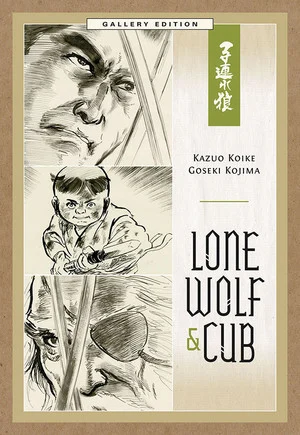
Shochiku has officially announced a kabuki stage adaptation of Kazuo Koike and Goseki Kojima’s landmark samurai manga Lone Wolf and Cub, set to run at Tokyo’s historic Kabukiza Theatre from June 3–25. The production brings one of manga’s most iconic revenge sagas to the traditional kabuki stage — a thrilling fusion of graphic storytelling and classical Japanese theatre that promises cinematic staging, period swordplay, and the heartbreaking father-and-son journey of Ogami Ittō and his young son Daigorō.
Why Lone Wolf and Cub Works as Kabuki
Lone Wolf and Cub (Kozure Ōkami) is a visceral, atmospheric epic about honor, exile, and vengeance — themes that naturally resonate with kabuki’s dramatic and stylized traditions. The manga’s episodic journey of Ogami Ittō, the disgraced executioner turned ronin-assaassin, and his infant son Daigorō, balances brutal action with poignant, cinematic tableaux. Kabuki’s emphasis on gesture, costume, and stagecraft can amplify the series’ emotional beats and iconic imagery: from rain-drenched confrontations and crimson-splattered blades to intimate father-and-son moments that underline the story’s human core.
Production Details: Dates, Venue, and Notable Connections
The run at Kabukiza Theatre in Tokyo is scheduled for June 3–25. Kabukiza, one of the most revered venues for traditional Japanese theatre, provides a culturally authentic setting that will highlight Lone Wolf and Cub’s period atmosphere and samurai aesthetics. For more details and scheduling, the official theatre listing provides the primary announcement and ticket information. See the Kabukiza listing.
Legacy casting — a family tie to the past
There’s a poignant connection between this kabuki adaptation and earlier screen incarnations: Shidō Nakamura’s uncle, Yorozuya Kinnosuke, played Ogami Ittō in the 1973–1976 live-action series. That lineage provides a rich, intergenerational resonance for fans familiar with the manga’s long adaptation history and shows how Lone Wolf and Cub has repeatedly been reinterpreted across media and eras.
A Brief History of the Manga and Its Global Impact
Kazuo Koike and Goseki Kojima serialized Lone Wolf and Cub from 1970–1976, creating a dark, meticulously drawn portrait of Edo-period vendetta and survival. The creators’ partnership produced not only a seminal manga but also a template for future samurai storytelling in comics and film. Kojima passed away in 2000 and Koike in 2019, yet their work continues to inspire adaptations around the world.
In North America, Lone Wolf and Cub was among the earliest manga published: First Comics began releasing it in English in May 1987, making it one of the first manga available on a monthly schedule in the region. Dark Horse Comics later began publishing the series in 2000, releasing it as graphic novels that aligned with the Japanese editions. From 2013, Dark Horse also issued omnibus editions, reigniting interest among new readers and collectors.
Past Adaptations: From Film to Stage
Lone Wolf and Cub has a storied adaptation history: the manga inspired six feature films starring Tomisaburō Wakayama, several stage plays, and a television series. The cinematic films are particularly influential for their stylized violence, stark cinematography, and the central performance that defined Ogami Ittō for an entire generation. On the international front, as of October 2017, Paramount reportedly held rights to develop an English-language live-action film adaptation — evidence of the property’s enduring cross-cultural appeal.
What the kabuki adaptation might bring new
Where film emphasizes camera angles and editing, kabuki translates spectacle into live movement, kata (stylized forms), and elaborate costume and makeup. Expect the production to reinterpret panel-to-panel visual motifs as stage maneuvers — for instance, dramatic mie (struck poses) to punctuate climactic duels, rotating stages and trapdoors for surprise entrances, and highly choreographed swordplay that blends kabuki movement with samurai combat choreography. The result should be both faithful to the source’s mood and adventurous in its theatrical inventiveness.
Why Fans Should Pay Attention
For longtime readers, this kabuki production is an opportunity to see Lone Wolf and Cub’s emotional and narrative power expressed through another quintessentially Japanese art form. For kabuki audiences, it’s a chance to experience a modern masterpiece reimagined in traditional terms. And for newcomers, the stage play could serve as an accessible gateway into Koike and Kojima’s world: a condensed, emotionally charged introduction to Ogami Ittō’s tragic road of vengeance and fatherhood.
Practical tips for visitors
If you plan to attend, book tickets early — Kabukiza runs frequently sell well for special productions. Check seating maps and consider how kabuki staging works (side views and the hanamichi — the stage runway — greatly affect your viewing experience). Subtitled performances or program guides might be available for non-Japanese speakers; check the theatre’s official notices before you go.
Final Thoughts
The kabuki adaptation of Lone Wolf and Cub promises a compelling synthesis of two powerful storytelling traditions: manga’s serialized visual drama and kabuki’s live, ceremonial intensity. With its June run at Kabukiza Theatre, this production not only continues the long adaptation history of Koike and Kojima’s classic but also reaffirms the story’s timeless themes — redemption, duty, and the bond between father and son. Whether you approach it as a fan of the original manga, a kabuki aficionado, or a curious newcomer, this staging is poised to be a striking, memorable experience that honors the spirit of one of manga’s most influential works.
https://www.myanimeforlife.com/lone-wolf-cub-kabuki-play-debuts-in-june/?feed_id=198212&_unique_id=69d7e2103d0c0


Comments
Post a Comment