Journal with Witch Episode 9 Review
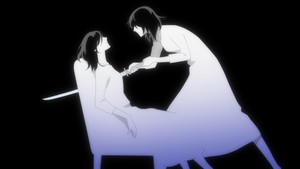
Episode 9 of Journal with Witch (違国日記) stands out as one of the most quietly sophisticated installments so far. Rather than relying on flashy moments, the episode builds its power through structural precision and emotional honesty—stitching together three different days to trace how grief, creativity, and connection ripple through the lives of its characters. The result is a compact, resonant hour that honors the slow, often frustrating work of healing and the Sisyphean labor of making art.
Adaptation & Narrative Craft: Stitching Time with Purpose
One of the episode’s cleverest moves is its editing: three scenes from different days are woven together along thematic seams, not chronological ones. That choice keeps the focus on emotional continuity rather than plot mechanics. By aligning moments that share a feeling—frustration, vulnerability, small breakthroughs—the episode avoids awkward exposition and gives each character’s interior space to breathe. This technique makes the episode feel intimate and lived-in, an adaptation decision that respects the source material’s nuance while taking advantage of animation’s temporal flexibility.
Asa’s Emotional Arc: Therapy, Music, and Impatience
Asa’s trajectory this episode reads as a painfully realistic portrait of adolescence under strain. After testing the edges of truancy and leaning on friends like Emiri, she begins counseling—only to discover that therapy is not a magical fix. The anime handles this honestly: therapy is shown as a skill to practice, not an instant transformation. Asa’s impatience is palpable; she expects grief to yield meaning quickly, especially when she channels it into songwriting.
When Creativity Doesn’t Deliver Instant Catharsis
Asa’s attempts to translate pain into art highlight a central misunderstanding about creativity—pain does not automatically become good art. The episode underscores that art is craft as much as inspiration. Songwriting becomes another arena where Asa must confront failure and the tedious work of revision. Rather than a triumphant breakthrough, the creative process introduces fresh obstacles, widening the gap between her expectations and reality.
If you’re interested in realistic depictions of therapy and what to expect from counseling, Psychology Today offers useful beginner resources on how therapy typically unfolds (rel="nofollow" target="_blank" href="https://www.psychologytoday.com/us/basics/therapy">https://www.psychologytoday.com/us/basics/therapy).
Makio: The Adult Who Still Has Questions
Makio’s storyline complements Asa’s by showing a more seasoned perspective on the same struggles. Her writer’s block and the small slights of adult life remind viewers that adulthood doesn’t grant immunity to doubt. Makio’s advice—often blunt and practical—travels across a generation gap and lands unevenly with Asa. Lines like “write with the intent to kill” (a brutal reminder that writing is labor, not an immediate balm) capture the show’s refusal to romanticize artistic pursuits.
Significantly, the episode also shows Makio’s willingness to lean on friends. Her candid conversations with Juno and Kasamachi reveal that adults keep learning and that vulnerability is not exclusive to adolescence. Makio’s resolution at the episode’s close—finishing her work but admitting uncertainty—feels truer than any tidy conclusion. It is a reminder that some questions persist, and that “someday” can be a meaningful horizon rather than an evasion.
Queer Representation: Subtle, Authentic, and Cumulative
Journal with Witch has increasingly embraced queer stories with a casual confidence that feels refreshing. This episode includes a small but powerful scene where one of Makio’s friends realizes she is aromantic and expresses relief: “now everything in the past makes sense.” Moments like this are emotionally truthful; discovering an identity can unlock reinterpretations of old experiences and open paths forward.
Characters like Juno—presented with a gentle touch—bring nonbinary and queer perspectives into everyday conversations without turning them into didactic set pieces. Juno’s reflections on the life their mother didn’t live, and the guilt of feeling like a burden for choosing an authentic life, are handled with empathy. These quieter beats accumulate, deepening the show’s central theme: people with different experiences can still learn how to support and enrich one another.
For readers wanting a primer on aromantic identities and resources, GLAAD provides accessible information about aromanticism and queer identities (rel="nofollow" target="_blank" href="https://www.glaad.org/aromantic">https://www.glaad.org/aromantic).
Major Themes: Grief, Craft, and the Work of Becoming
Three themes stand out this episode: grief’s nonlinearity, art as labor, and the slow, often awkward process of self-understanding. Grief distorts time—days can stretch or compress—and the episode visualizes that with its interleaved scenes. The show also insists that making art is not an act of spontaneous alchemy; it’s repetitive effort, failure, and small improvements. Finally, the series continues to treat identity as an ongoing project rather than a destination. Characters do not suddenly “arrive”; they keep practicing being themselves.
Performance & Visuals
Voice work and animation serve the script’s intimacy. Kujira’s portrayal of Juno and the cast’s nuanced deliveries allow tiny gestures—an awkward laugh, a hesitant confession—to carry weight. The art direction favors close-ups and quiet interiors that reinforce the feeling of private lives being observed with care rather than spectacle.
Why Episode 9 Matters
This installment succeeds because it trusts both its characters and its audience. It refuses to tidy up messy emotions for the sake of a neat arc and instead honors the slow, iterative processes that define real growth: therapy that requires effort, songwriting that requires revision, relationships that require vulnerability. In a landscape of more sensational anime, Journal with Witch’s patient attention to small interior shifts feels like a deliberate gift.
Final thoughts
Episode 9 is a quietly powerful chapter that reaffirms Journal with Witch’s strengths: thoughtful adaptation, compassionate queer representation, and an honest depiction of how grief and creativity intersect. It’s an episode that asks viewers to sit with discomfort rather than rush past it—an approach that pays off in subtle emotional dividends. For anyone invested in character-driven stories about identity, art, and the slow work of becoming, this episode is a highlight worth revisiting.
Journal with Witch is currently streaming on Crunchyroll.
https://www.myanimeforlife.com/journal-with-witch-episode-9-review/?feed_id=179089&_unique_id=69ab0df464c9d


Comments
Post a Comment